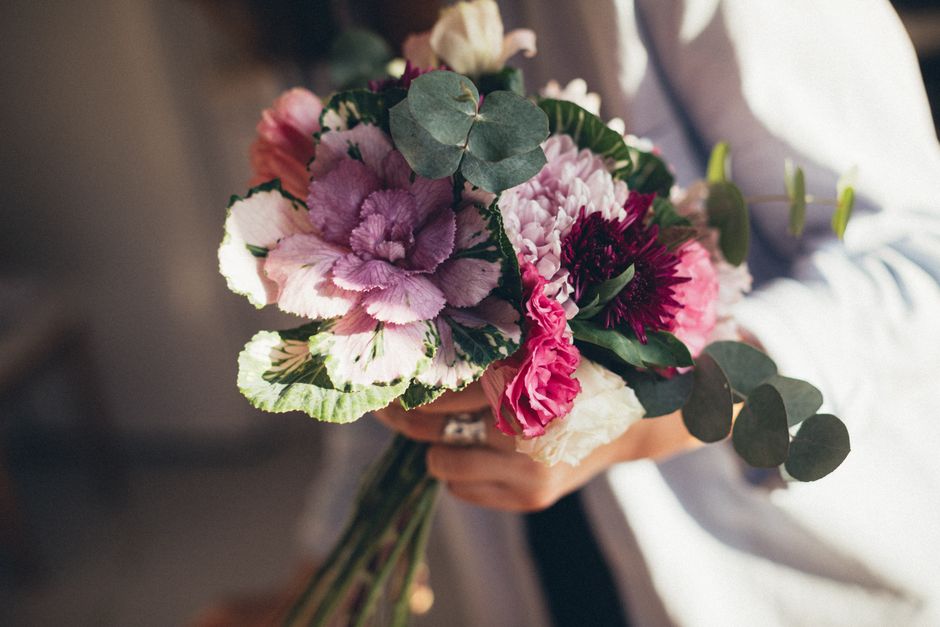
Wedding bouquet makeover case study Notting Hill Gate Kensington
Posted on 28/10/2026
If you are searching for a Wedding bouquet makeover case study Notting Hill Gate Kensington, chances are you are trying to do more than just "fix" a bouquet. You may be hoping to rescue flowers that look a little tired, refresh a wedding design that no longer matches the day, or turn a good arrangement into something that feels properly polished for a Kensington celebration. Truth be told, that is a very real need in London weddings, where timing, style, and presentation all matter a lot.
This guide walks through what a bouquet makeover involves, why it matters in the Notting Hill Gate and Kensington context, how the process works in practice, and what to watch out for. It also includes a real-world style example, a practical checklist, and a simple comparison of bouquet makeover options so you can make a calm, sensible decision. No fluff. Just useful detail that helps.
Table of Contents
- Why Wedding bouquet makeover case study Notting Hill Gate Kensington Matters
- How Wedding bouquet makeover case study Notting Hill Gate Kensington Works
- Key Benefits and Practical Advantages
- Who This Is For and When It Makes Sense
- Step-by-Step Guidance
- Expert Tips for Better Results
- Common Mistakes to Avoid
- Tools, Resources and Recommendations
- Law, Compliance, Standards, or Best Practice
- Options, Methods, or Comparison Table
- Case Study or Real-World Example
- Practical Checklist
- Conclusion
- Frequently Asked Questions
Why Wedding bouquet makeover case study Notting Hill Gate Kensington Matters
A bouquet makeover is not just about replacing a few stems. In wedding work, it is about restoring balance, improving shape, and making sure the bouquet still feels intentional. In a place like Notting Hill Gate and Kensington, where couples often care about presentation, venue style, and photography, that matters quite a bit.
A bouquet that looks slightly uneven in a kitchen can look dramatically worse once it is under bright venue lighting or held in front of a camera. You notice drooping heads, faded edges, clashing colours, or ribbon that has lost its crisp finish. The bouquet may still be lovely underneath, but it no longer has the same lift.
That is where a makeover comes in. It can mean reworking the structure, refreshing the palette, adding support, replacing tired flowers, or changing the finish so the bouquet looks coherent again. For weddings, the goal is simple: make the bouquet feel worthy of the day.
And let's face it, in wedding photos, the bouquet is not a minor detail. It sits in the bride's hands, in close-ups, and often in the quiet moments everyone remembers. If the bouquet feels off, the whole look can feel a bit off too. Not ideal.
If you are comparing floral styles across the wider wedding suite, it can also help to browse the broader wedding collection and see how a bouquet makeover might align with buttonholes, bridesmaid flowers, or table styling. That bigger picture matters more than people think.
How Wedding bouquet makeover case study Notting Hill Gate Kensington Works
A proper bouquet makeover usually starts with assessment. You look at what is already there: flower condition, stem strength, moisture level, colour harmony, and whether the bouquet shape still supports the original design. If the flowers are too far gone, a makeover may mean partial rebuilding rather than cosmetic adjustment. Better to be honest about that early.
In practical terms, the work often falls into one of four approaches:
- Freshen and refine - tidy the shape, re-secure stems, replace ribbon, and remove weak flowers.
- Rebalance - adjust the size distribution so one side does not dominate.
- Restyle - change the colour story or texture mix to suit the venue or dress.
- Rebuild - replace a larger proportion of the bouquet while keeping the original style direction.
The right approach depends on timing, flower condition, and the event schedule. For example, if a bouquet is being refreshed the day before a wedding in Kensington, the florist may prioritise hydration, structural support, and a finish that will hold up through transport. If the bouquet is being reimagined for a later reception or photo session, there may be more room to refine the palette.
A good makeover is also about practical handling. Weddings involve moving between rooms, taxis, pavements, cars, and occasionally a slightly flustered relative asking where the ribbon is. The bouquet needs to survive the real world, not just the workshop.
If the makeover is part of a larger flower order, it can be sensible to keep the design language consistent with your main bouquet choice, such as a bridal bouquet or a more romantic bridal bouquet with a softer finish. That helps everything feel joined up, not random.
Key Benefits and Practical Advantages
The biggest benefit of a bouquet makeover is that it can save a design that would otherwise feel disappointing. That sounds obvious, but it is often the difference between a bouquet that merely exists and one that actually supports the bride's look.
Here are the advantages that tend to matter most:
- Better presentation - the bouquet looks neater, fuller, and more intentional.
- Improved photography - balanced shapes and fresher blooms tend to read better on camera.
- Stronger style match - a makeover can bring the bouquet back in line with the dress, venue, or season.
- Reduced waste - not every imperfect bouquet needs replacing from scratch.
- More confidence - the bride or wedding party feels calmer when the flowers look right.
There is also a quieter benefit: emotional comfort. A bouquet often has more meaning than people admit at first. It is carried in hand, seen by guests, and remembered in photos. If it needs a small rescue, that rescue matters. No drama, just care.
From a styling perspective, a makeover can also help align a bouquet with other wedding details such as bridesmaid bouquets, buttonholes, or table arrangements. A wedding feels more expensive and considered when the floral story is coherent.
Who This Is For and When It Makes Sense
A bouquet makeover is useful for different kinds of people, not just brides on the morning of the wedding. In fact, some of the smartest requests come from people who plan ahead a little and notice a problem before it becomes visible.
This approach makes sense if you are:
- working with a bouquet that has started to droop or lose shape
- updating flowers for a second event, blessing, or reception
- trying to coordinate wedding flowers across multiple outfits and venues
- making a bouquet feel more luxurious without starting over completely
- trying to adapt flowers to changing weather, transport, or timing
It is especially useful in London, where movement between venues, traffic delays, and different indoor environments can affect flower condition more than people expect. A bouquet may look fine at collection, then sag a bit after a taxi ride and ten minutes in a warm room. It happens.
If you are choosing flowers from a broader wedding range, you might also compare bouquet styles with something like an elegant white bridal bouquet or a more characterful bridal bouquet with a modern balance. That comparison can make the makeover decision much easier.
Step-by-Step Guidance
If you want the bouquet makeover process to run smoothly, a simple sequence works best. Wedding flowers do not always enjoy improvisation. They prefer a plan, even a modest one.
- Assess the bouquet honestly. Check the freshness, shape, colour, and whether the stems are still strong enough for handling.
- Identify what must stay. Some flowers, ribbons, or focal blooms may still work beautifully. Keep the best parts.
- Set the goal. Are you aiming for a cleaner version of the same bouquet, or a more noticeable redesign?
- Choose replacements carefully. New blooms should match the scale and tone of the original design.
- Rebuild structure first. Shape and balance come before decoration. Always.
- Finish with detail. Ribbon, binding, and any trailing elements should look deliberate, not last-minute.
- Test the hold. Make sure the bouquet is comfortable to carry and stable enough for transport.
A small but important point: the bouquet should still feel natural in the hand. Some makeovers become overworked because the final shape is too rigid or too heavy. Gorgeous, yes. Comfortable? Not always. And on a long wedding day, comfort counts.
If the flowers are being delivered or collected, it helps to understand the timing and handling details on the florist's delivery information and flower care guidance pages, because even the best design can suffer if it is stored badly for a few hours. That is the bit nobody talks about until the petals start looking tired.
Expert Tips for Better Results
A good bouquet makeover is usually won in the details. Nothing glamorous. Just proper judgment, careful handling, and an eye for proportion.
Here are the tips that make the biggest difference:
- Work with the natural form of the flowers. Roses, lisianthus, lilies, orchids, and mixed seasonal stems each behave differently. Do not force them into one rigid shape.
- Use contrast with restraint. A touch of texture can lift the bouquet, but too many competing colours can make it look busy.
- Think about the dress fabric. Satin, lace, tulle, and structured tailoring all interact differently with flower shape and tone.
- Respect the season. A bouquet that suits late summer may not work as well in winter light.
- Keep the finish clean. Ribbon and binding should look crisp from the first photo to the last.
One tiny practical trick: hold the bouquet at arm's length and then in front of a mirror, or simply step back two paces. You will spot imbalance fast. Sometimes the issue is not the flowers themselves, just a lopsided profile. Easy enough to fix, once you see it.
If you are leaning toward a richer floral finish, the broader luxury flowers range can be useful for inspiration. And if you want a cleaner, more understated look, the white roses wedding arrangement style gives a good reference point for calm, elegant structure.
Common Mistakes to Avoid
Most bouquet makeover problems are avoidable. The trouble is, they are easy to miss when you are in a hurry or trying to save time. Weddings have a habit of making people hurry. Fair enough, but flowers rarely like that.
Common mistakes include:
- Overstuffing the bouquet - more stems do not always mean better design.
- Ignoring freshness limits - some blooms cannot be revived safely once they are past their best.
- Mixing styles without a plan - rustic, formal, and romantic elements can clash if there is no linking thread.
- Forgetting transport - a bouquet that looks lovely at the workbench may fail in a car or taxi.
- Leaving the finish too late - ribbon, wrapping, and final shaping need time.
Another frequent issue is colour drift. What looks like "soft blush" indoors can read almost beige in daylight. What looks white under warm bulbs can appear cool and icy outdoors. So yes, lighting matters. More than people think, actually.
If your wedding style is already set, use that as your anchor. A bouquet makeover should support the day, not fight it. A good florist will say no to the wrong change sometimes, and that is usually a sign you are in safe hands.
Tools, Resources and Recommendations
You do not need a huge toolkit to understand bouquet makeovers, but a few basics make the process much easier. For professionals and serious DIYers alike, the essentials are mostly about preservation, support, and accurate finishing.
- Sharp floral scissors or snips - for clean cuts that reduce stem damage.
- Clean water containers - hydration comes first.
- Floral tape or secure binding - useful for structure and grip.
- Ribbon and pins - for a polished hand-tied finish.
- Soft wrapping or box support - helpful during transport.
For customers, the most useful resources are often the florist's own product pages and care advice. If you are planning the broader wedding order, browsing options like bridal bouquets, wedding corsages, and wedding gifts can help you coordinate the full look rather than treating each piece as separate.
For service confidence, it is also worth checking the florist's about us and guarantees information, along with the practical notes on returns and refunds. That does not sound romantic, I know, but it is part of choosing responsibly.
Law, Compliance, Standards, or Best Practice
For a wedding bouquet makeover, there are usually no special legal complications for the customer in the way there might be with regulated trades. Even so, best practice still matters. Floristry work involves perishable goods, handling care, and clear communication about what can realistically be achieved with the flowers on hand.
In the UK, a trustworthy florist should be clear about:
- what condition flowers need to be in for a successful makeover
- what is included in the service or product
- how delivery and collection are handled
- what happens if substitutions are needed
- how any freshness or quality guarantee is applied
That is really the heart of it. Clear expectations. No mystery, no awkward surprises. It is also sensible to read the florist's terms and conditions, privacy policy, and payment information before placing an order, especially if the bouquet makeover is part of a wider wedding booking.
If sustainability matters to you, that can be part of the decision too. Some couples prefer a fresher design with less waste and more thoughtful sourcing, so it is worth looking at the florist's sustainability page and asking sensible questions. Nothing preachy. Just practical.
Options, Methods, or Comparison Table
Not every bouquet issue needs the same fix. Here is a simple comparison to help you choose the right method.
| Method | Best for | What it changes | Main advantage | Watch out for |
|---|---|---|---|---|
| Refresh and tidy | Healthy bouquet that only needs a lift | Shape, ribbon, loose stems, weak blooms | Quick and cost-conscious | Won't fix major structural issues |
| Partial rebuild | Mixed-condition bouquet with a few tired stems | Several flowers, balance, support | Keeps the original character | Needs careful colour matching |
| Full restyle | Bouquet that no longer fits the dress or venue | Most of the visual design | Strongest transformation | More time and more planning |
| Replacement bouquet | Flowers are too damaged to rescue | Everything | Most reliable visual result | Less continuity with the original bouquet |
In many Kensington wedding cases, the sweet spot is somewhere between a partial rebuild and a careful restyle. That gives the bouquet a second life without making it feel like a completely different idea. It is often the most elegant solution, actually.
Case Study or Real-World Example
Here is a realistic example based on the sort of request florists often see around Notting Hill Gate and Kensington.
A couple had chosen a soft, romantic bouquet for a late-afternoon ceremony. By the morning of the wedding, the blooms were still usable, but the shape had loosened and the ribbon no longer sat cleanly. The bouquet was not ruined. Not at all. It just looked a bit tired at the edges, which is a very different problem.
The makeover process focused on three things:
- lifting the bouquet's outline so it photographed better from the front
- removing two weaker stems that were dragging the composition down
- replacing the finish with a more structured ribbon wrap
The result was not a dramatic reinvention. That was the point. It stayed true to the original idea, but looked more composed, more expensive, and easier to carry. In the context of a polished Kensington wedding, that kind of refinement is often exactly what is needed.
For similar styling cues, a florist might draw from softer wedding products such as Sincerely Yours bridal bouquet or a more classic design like Everlasting Love bridal bouquet. The idea is not to copy those arrangements directly, but to use them as benchmarks for balance, proportion, and finish.
Small detail, big effect. That is what a good bouquet makeover often comes down to.
Practical Checklist
Use this checklist if you are deciding whether a bouquet makeover is the right move.
- Is the bouquet still fresh enough to be safely worked on?
- Do you want a subtle refresh or a more noticeable redesign?
- Does the bouquet still match the dress, venue, and season?
- Are any key flowers drooping, bruised, or starting to open too far?
- Have you thought about transport, timing, and storage?
- Do the colours still look right in daylight, not just indoors?
- Will the bouquet feel comfortable to hold for a long ceremony and photo session?
- Are you coordinating it with bridesmaid flowers and buttonholes?
- Have you checked the florist's delivery and care guidance?
- Do you have enough time for a proper finish, not a rushed patch-up?
If you can tick most of those boxes, you are in a good position to move forward. If not, it may be worth discussing a fuller rebuild or replacement. No shame in that. Better a clean solution than a stressful compromise.
Get a free quote today and see how much you can save.
Conclusion
A Wedding bouquet makeover case study Notting Hill Gate Kensington is really about one simple idea: making sure the flowers you carry on one of the most photographed days of your life look calm, elegant, and properly finished. Whether you need a small refresh or a more meaningful restyle, the process works best when it is planned carefully and handled with a realistic eye.
In a neighbourhood like Kensington, where detail tends to matter and presentation is noticed, that extra bit of care can make all the difference. Not in a loud way. In a quietly confident way. The best bouquet makeover does not shout. It just looks right.
If you are weighing up your next step, trust the flowers, trust the timing, and choose the version that feels most like the day you want to remember. Simple as that, really.
And when the bouquet feels right in your hands, you will know it straight away.
Frequently Asked Questions
What is a wedding bouquet makeover?
A wedding bouquet makeover is the process of refreshing, reshaping, or partially rebuilding a bouquet so it looks more polished, balanced, or suitable for the event. It can be subtle or more extensive depending on the flowers' condition.
Is a bouquet makeover the same as a full replacement?
No. A makeover usually keeps some of the original flowers or design intent, while a replacement starts again from scratch. If the bouquet is too damaged or too old, replacement may be the better option.
How do I know whether my bouquet can be saved?
If the flowers still have enough freshness, the stems are firm, and the shape can be improved without forcing weak blooms, there is a good chance it can be saved. A quick assessment usually makes that clear.
Can a bouquet makeover help if the colour looks wrong?
Yes, sometimes. A makeover can soften the overall palette, replace a few awkward stems, or introduce better balance. That said, if the colour mismatch is severe, a fuller restyle may be needed.
How much time does a bouquet makeover usually take?
It depends on how much needs to change. A simple refresh may be fairly quick, while a partial rebuild or restyle takes longer because the structure and finish need more careful attention.
Is a bouquet makeover worth it for a wedding in Kensington?
Often, yes. Kensington weddings tend to benefit from flowers that look refined and well finished, especially in photos. A makeover can improve presentation without losing the original character of the bouquet.
What flowers work best for bouquet makeovers?
Hardier flowers generally give more flexibility, but the best choice depends on the original design and how fresh the blooms are. Roses, lisianthus, lilies, orchids, and mixed seasonal stems are often used in wedding work.
Can I match the bouquet makeover to bridesmaid bouquets and buttonholes?
Absolutely, and it is often a smart move. Matching the bouquet to bridesmaid flowers and buttonholes helps the whole wedding feel coordinated rather than pieced together at the last minute.
What should I check before booking a florist for a makeover?
Check their care guidance, delivery information, terms and conditions, and whether they show wedding examples that match the style you want. It is also sensible to ask what condition the bouquet needs to be in before they can work on it.
Will a bouquet makeover make the flowers last longer?
Not necessarily on its own. A makeover improves appearance and structure, but freshness still depends on the flower type, handling, hydration, and timing. Good care after the makeover matters a lot.
What if I want the bouquet to look more luxurious?
Then the makeover may focus on richer texture, better balance, cleaner finishing, and possibly upgraded blooms. A luxury feel usually comes from restraint and proportion rather than simply adding more flowers.
Are bouquet makeovers common for last-minute wedding changes?
Yes, they are quite common. Weather, transport, delays, and small styling changes all happen. A bouquet makeover can be a practical rescue when the original flowers still have enough life left in them.